
Cyber Safety Workshop Interpretations

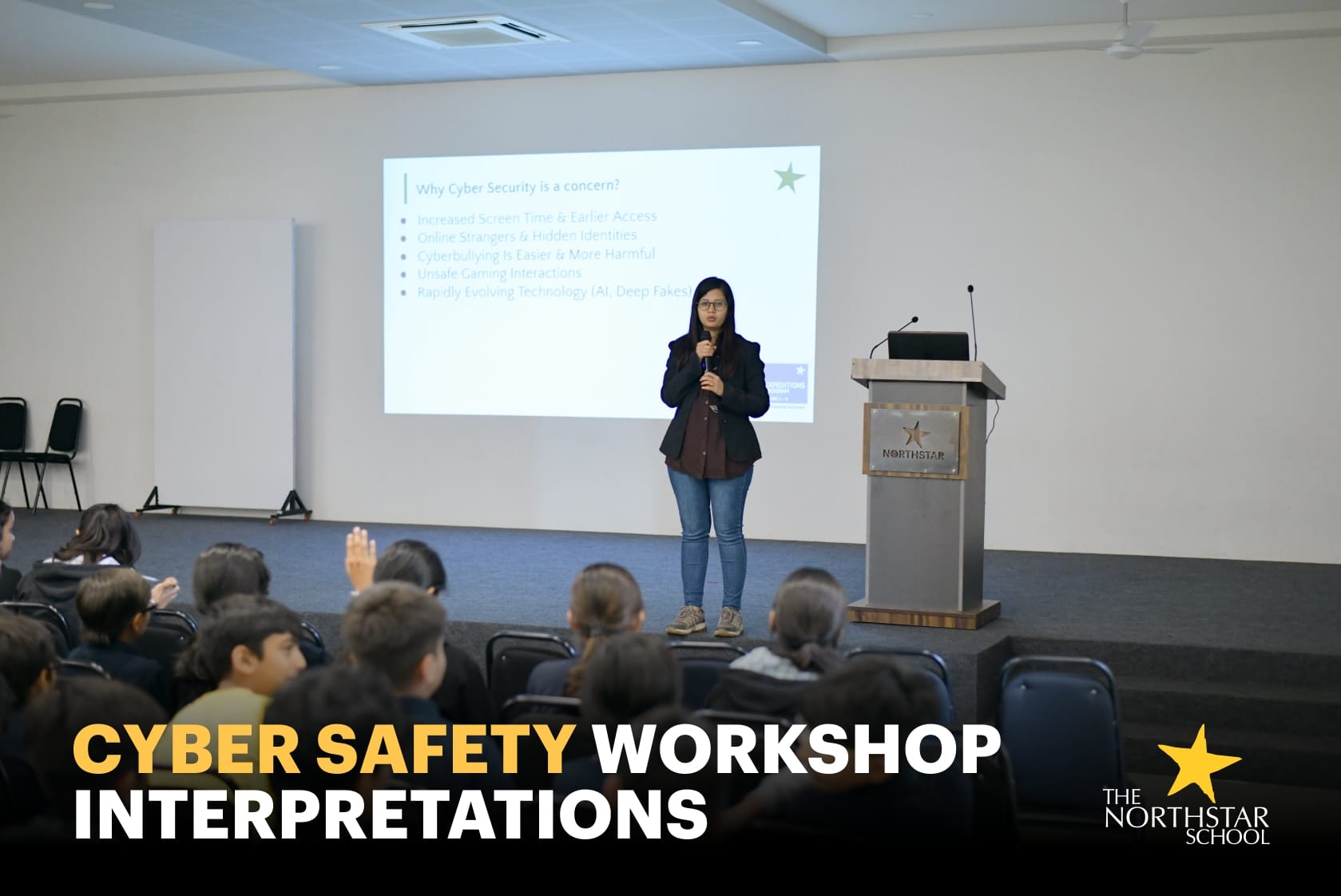
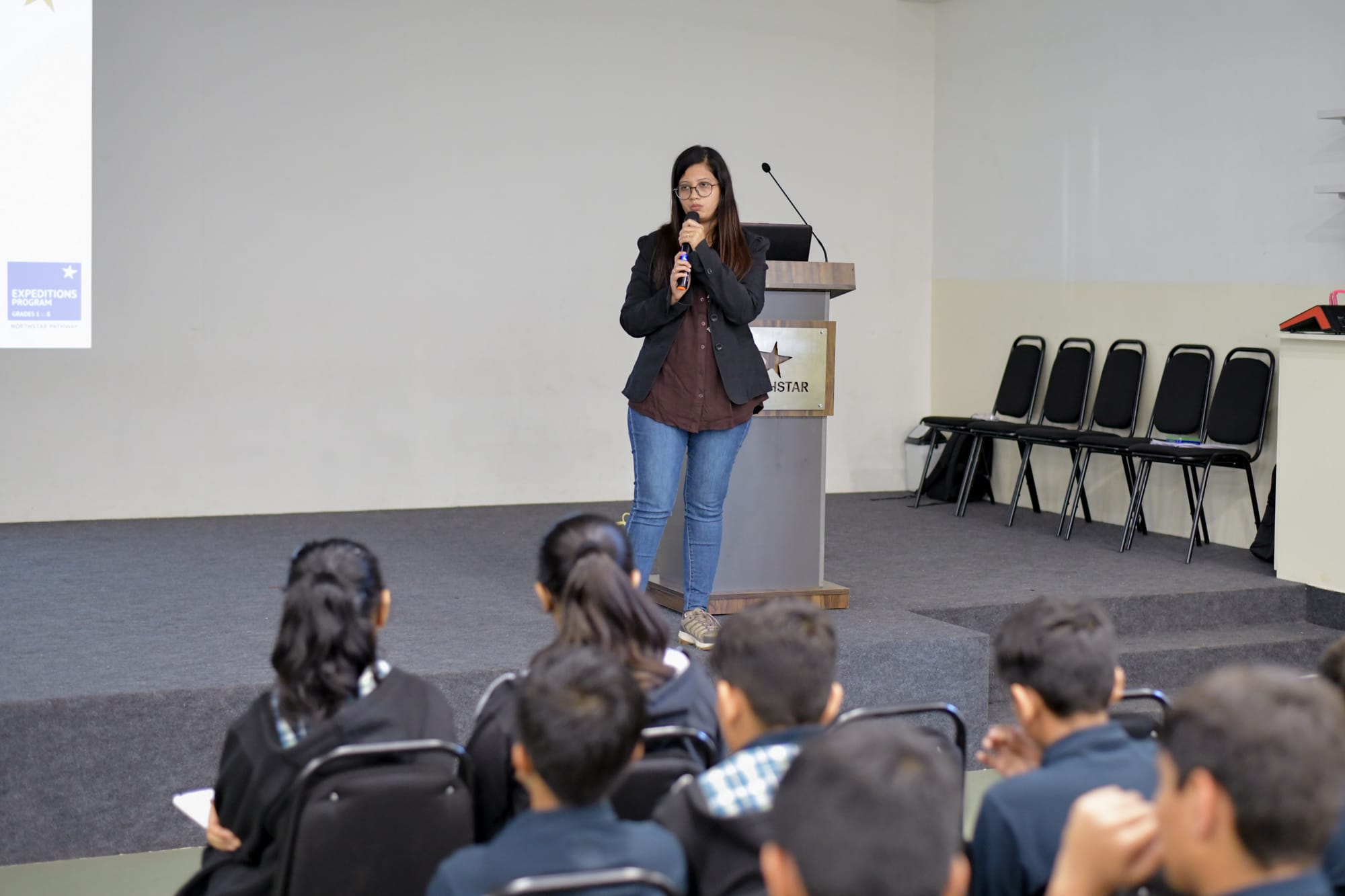
At Northstar, we often talk about the importance of the environment. We carefully curate our physical spaces to be unhurried and safe. But recently, a workshop conducted by one of our educators reminded us that our learners are spending hours every day in an environment which we cannot keep a track of: the digital one.
Reflections from the session
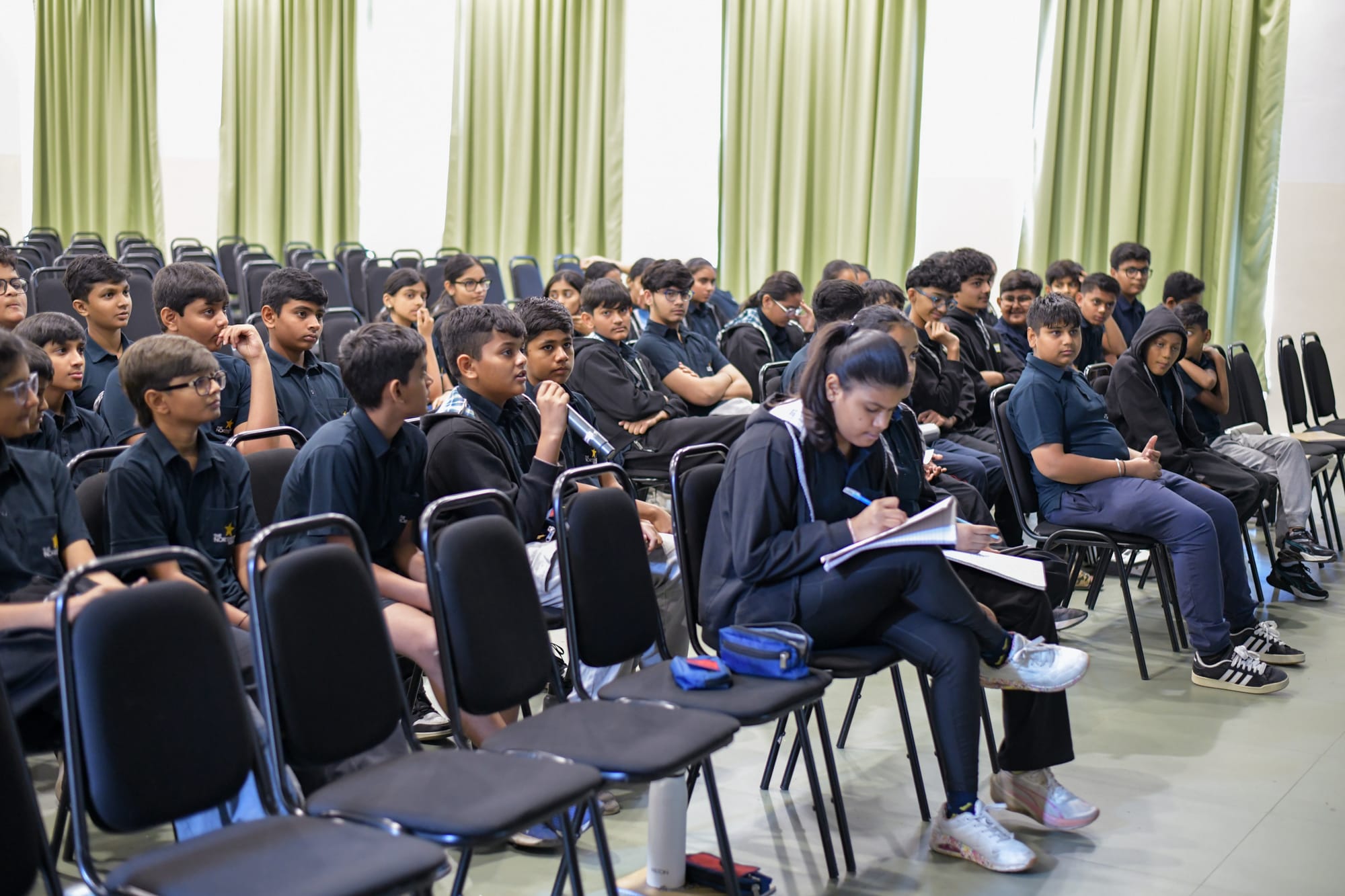
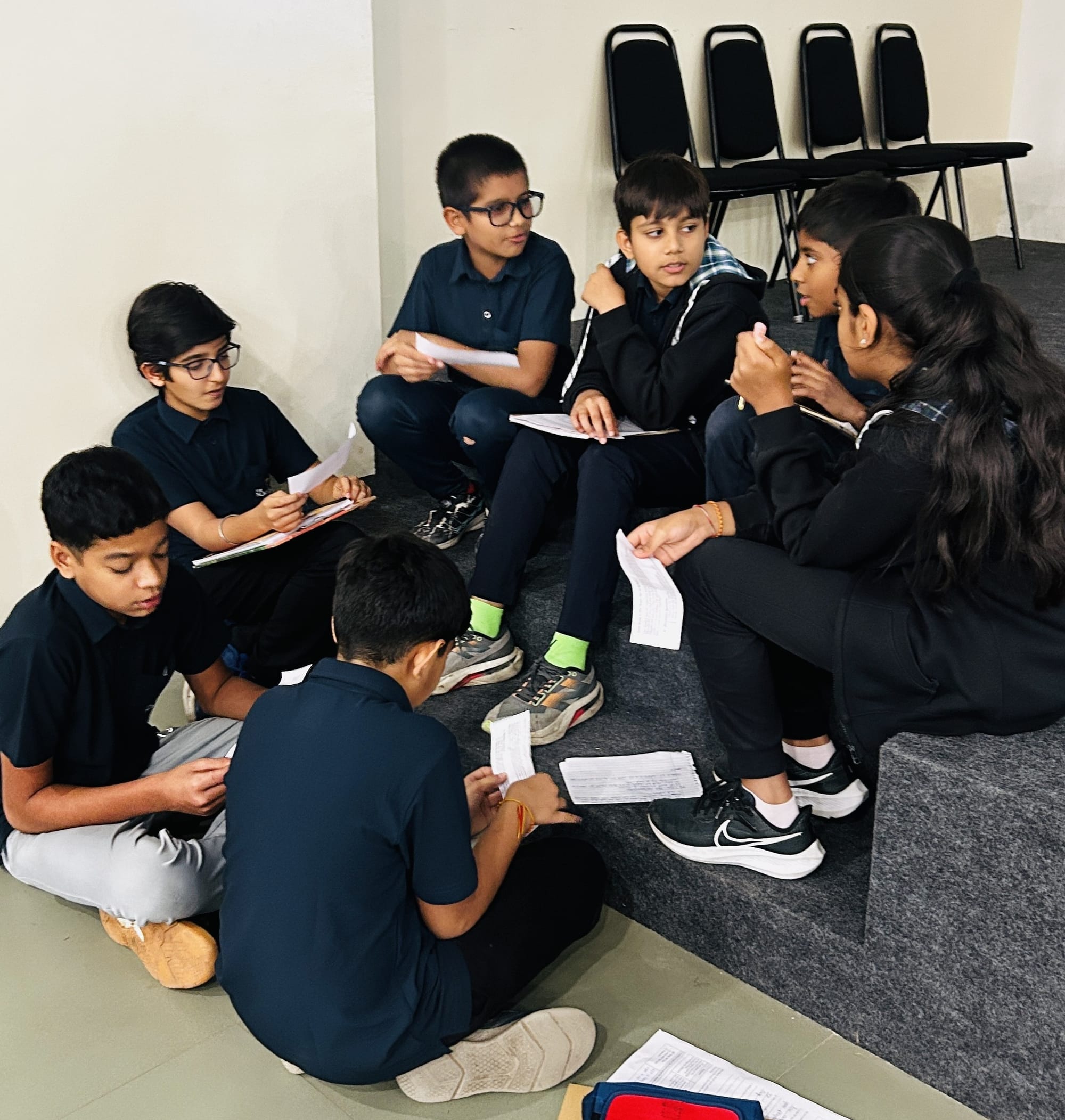
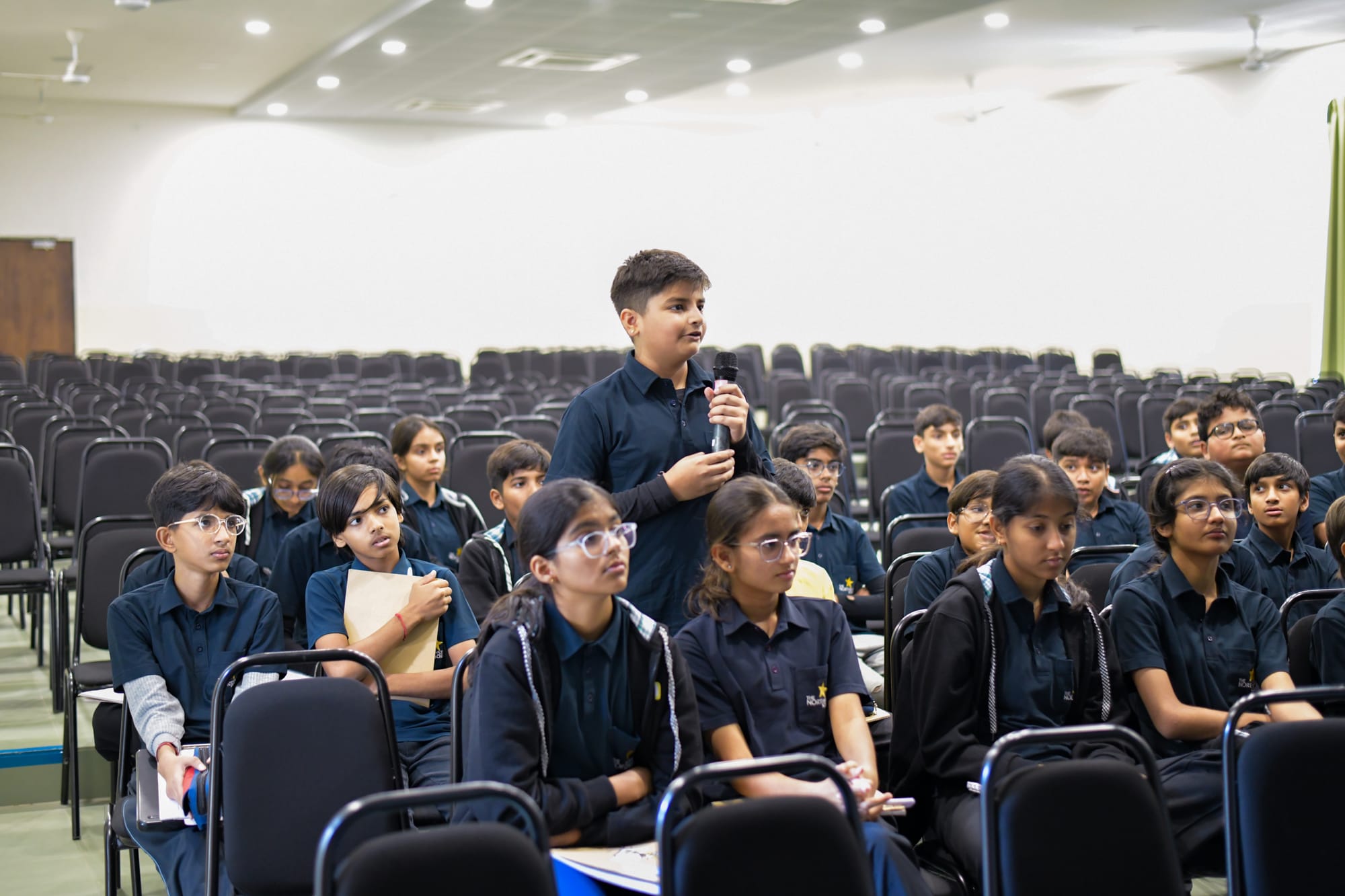
What we discovered during the workshop was both revealing and alarming. While the session had the practicals of safety, learners provided the raw reality of their digital lives:
- The Gaming Addiction: In Grades 5 and 6, physical outdoor play is being rapidly replaced by platforms like Roblox. Learners mentioned spending 5–6 hours on weekends immersed in these games.
- Talking to Strangers: Most concerning was the revelation that many learners, especially in Grades 7 and 8, frequently talk to strangers online because they feel heard without judgment.
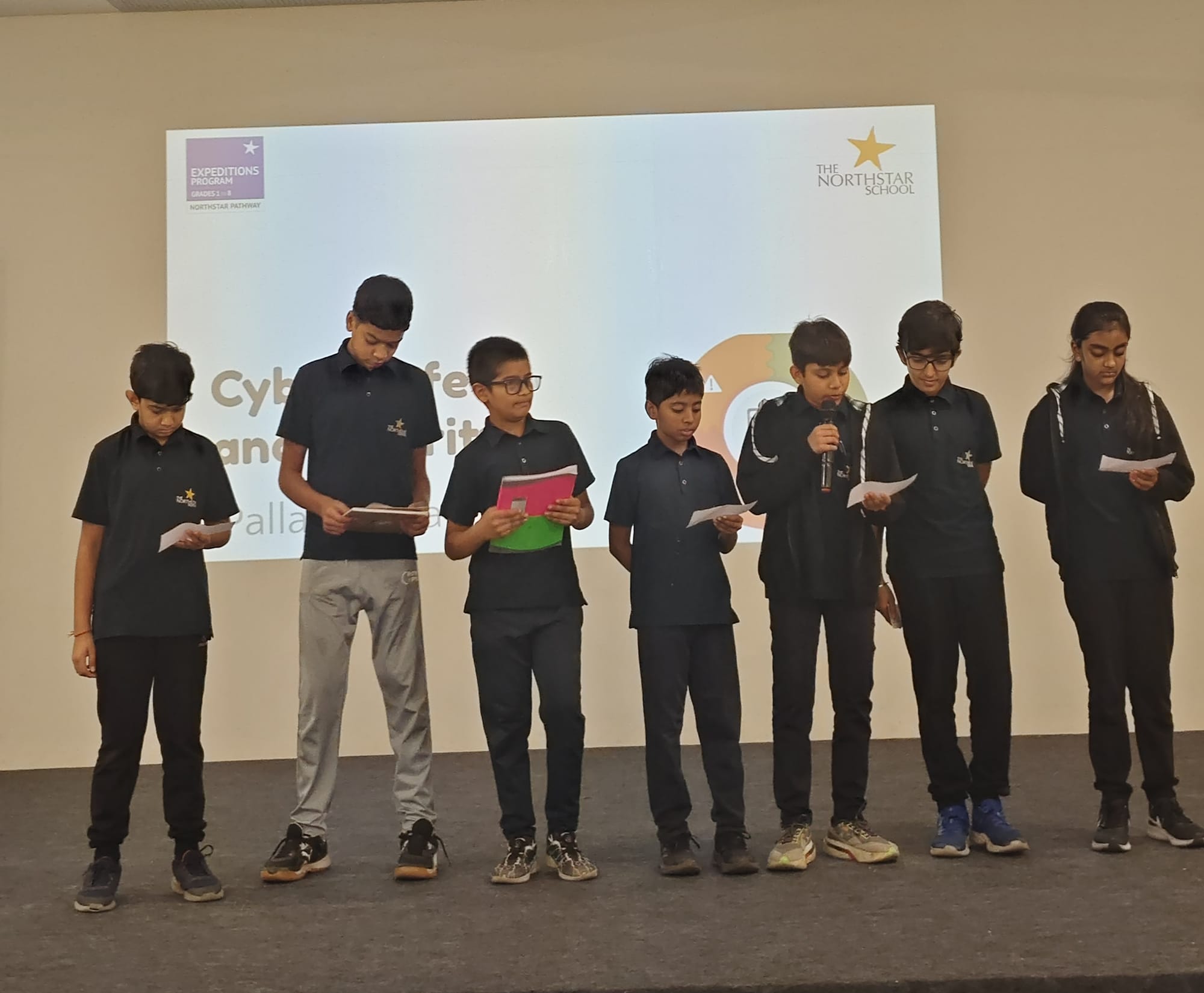
- The Bullying Trap: We learned that cyberbullying isn't just something that happens to them, it is a cycle. Some learners admitted that after being bullied in a game chat, they fell into the trap of bullying someone else, not realizing the emotional weight of a mean comment until they reflected on it in the classroom.
- The AI Shortcut: There is a growing blind spot regarding ethics. Using AI for English assignments or generating images to submit as their own is largely seen as acceptable, with little awareness of how this easy button might be blurring their original thinking.
- The Privacy: A recurring theme in learner reflections was the discomfort they feel when parents enter or monitor their rooms without consent. They start hiding as they feel it hinders their privacy.
The Global Context
These observations aren't unique to our school, they reflect a global crisis.
- Cyber Grooming: Research indicates that grooming is one of the fastest-growing threats, with predators often using gaming websites and social media to build emotional bonds with unsuspecting teenagers.
- The Reach of Bullying: Worldwide, nearly 37% of young people have been bullied online, and 90% of them do not tell an adult because they fear their devices will be taken away.
- The Identity Mask: Global data shows that 50% of children have talked to a stranger online, and many believe that fake identities are just a normal part of the game, not a potential threat.
Beyond the Screen
At Northstar, we believe that if a child goes astray in this digital world, they don't need a lecture, they need guidance. The workshop focused on practical steps:
- Privacy is a border: Don't share photographs or private info with random/unknown people.
- The no-react rule: Never respond aggressively to a bully, it only fuels the fire.
- Identify and block: We taught learners how to save evidence (screenshots) and block groomers immediately.
- The open door: The most important step is informing a parent or elder immediately when a message makes them feel weird or uncomfortable.
The Northstar Perspective
We realized through this workshop that Cyber Safety is not a technical subject, it is a social-emotional one. It is about Autonomy and Self-Regulation. As we look at the person our learners are becoming, we must ensure they have the tools to navigate the red flags of the digital world with the same grace and measure they show in our physical corridors. We aren't just protecting their accounts, we are protecting their emotional well-being and their creative spark.
Written by:
1. Pallavi Raval
2. Jinali Mirani